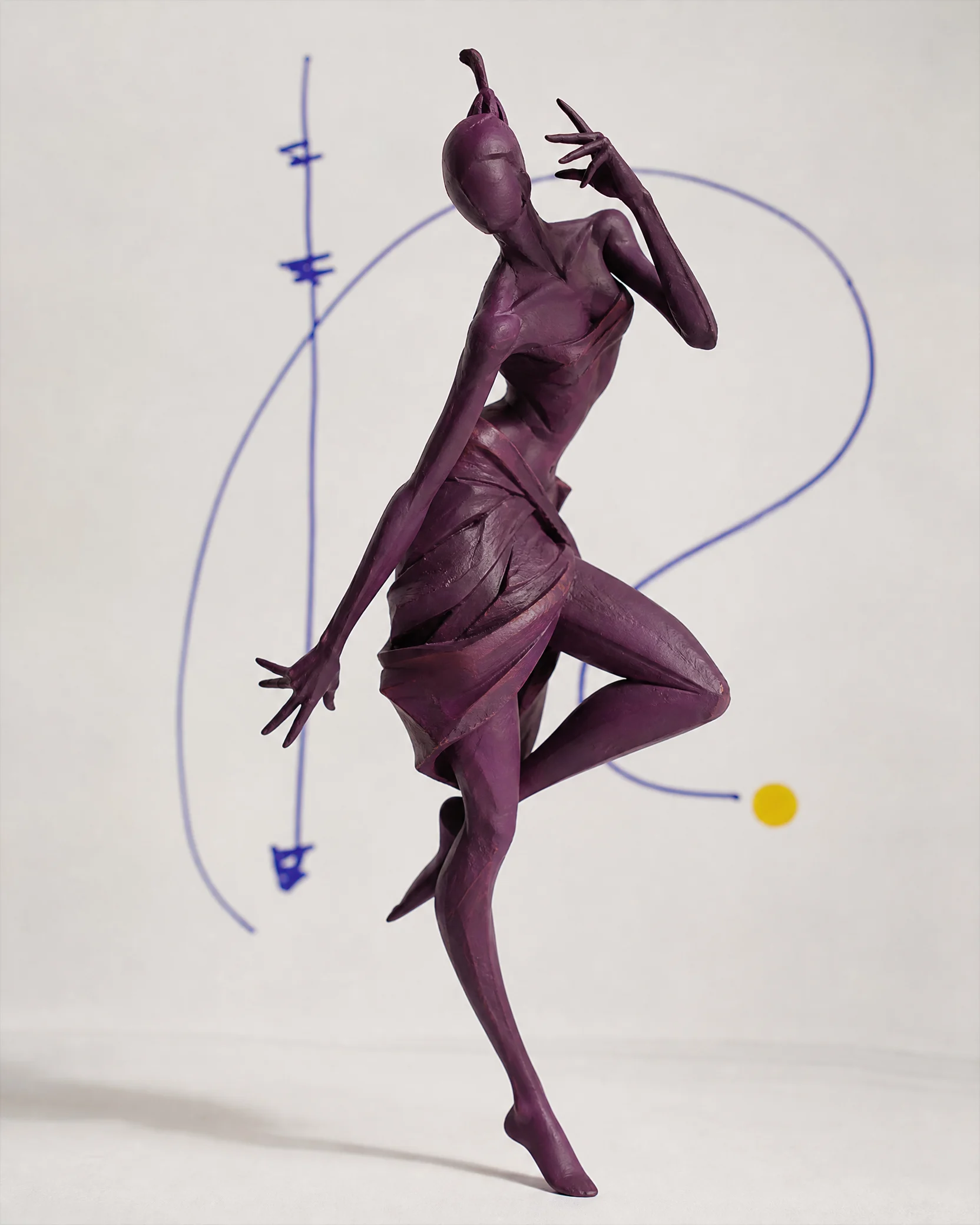
 ROLE / 01
Lead
Directs the audience to the change that matters first: a head turn, a held breath, a shift of balance.
 Gofunarexichoreography index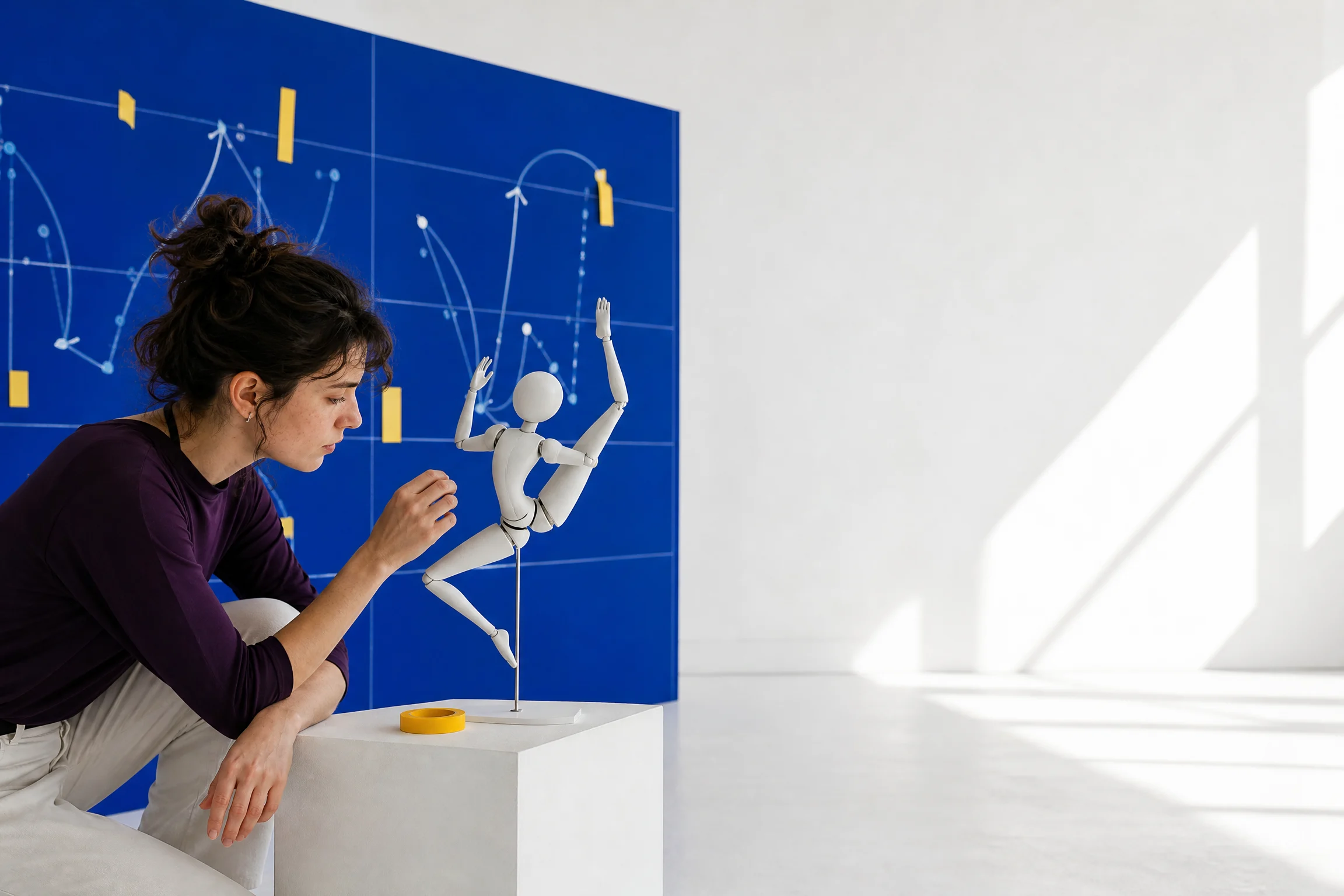
OVERTURE / CHARACTER ANIMATION & RIGGING
A choreography index for teams who want a rig to become a partner in the phrase: responsive enough for a clear gesture, reliable enough for a demanding production.
Enter the score01 / PULSE RIBBON
02 / CAST OF MOTION
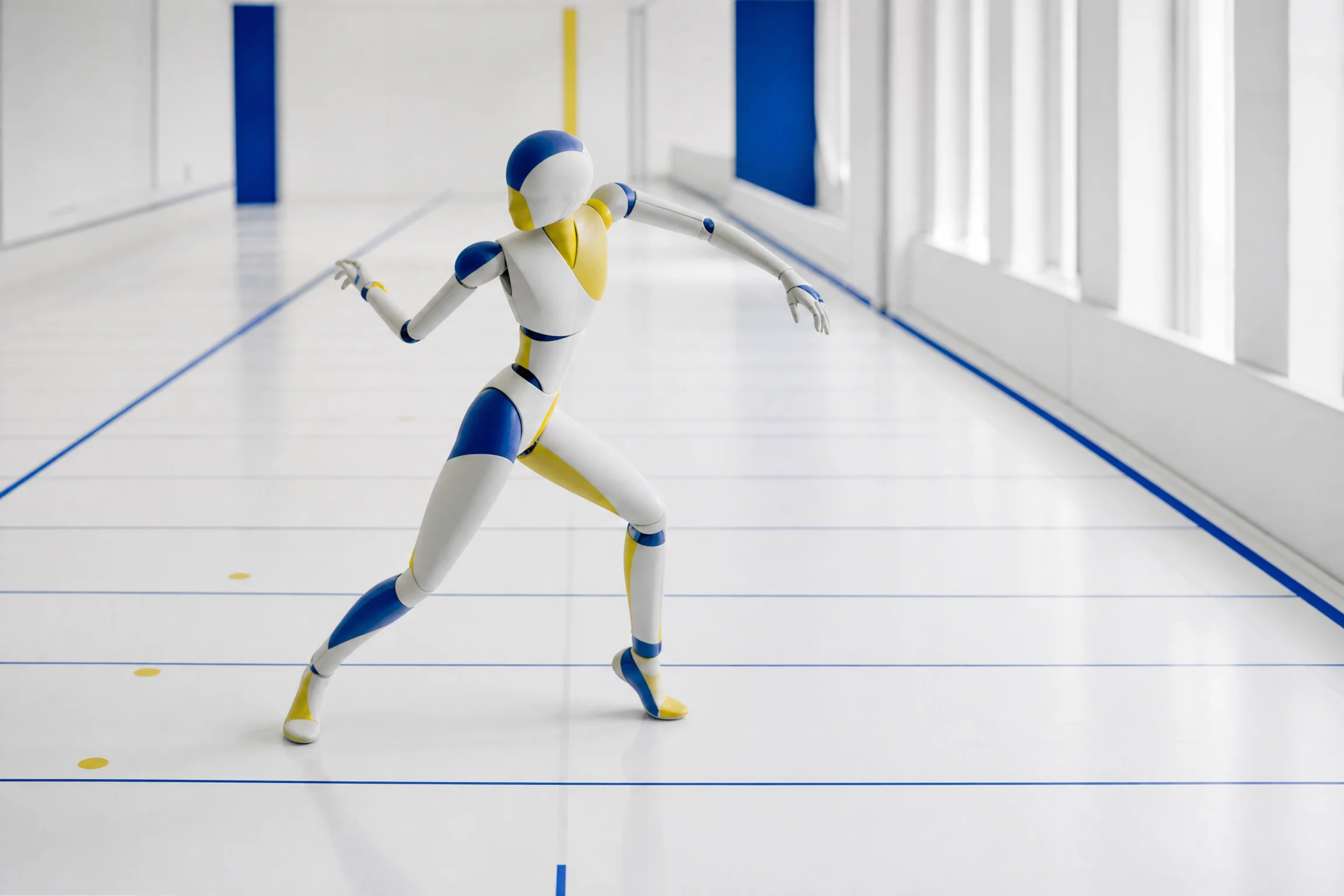
Before a character receives more controls, give the existing ones a clear relationship to timing, weight, attention or recovery.
ROLE / 01Directs the audience to the change that matters first: a head turn, a held breath, a shift of balance.
 ROLE / 02
Supports the lead with a delayed rhythm that makes the character feel inhabited rather than mechanically synchronized.
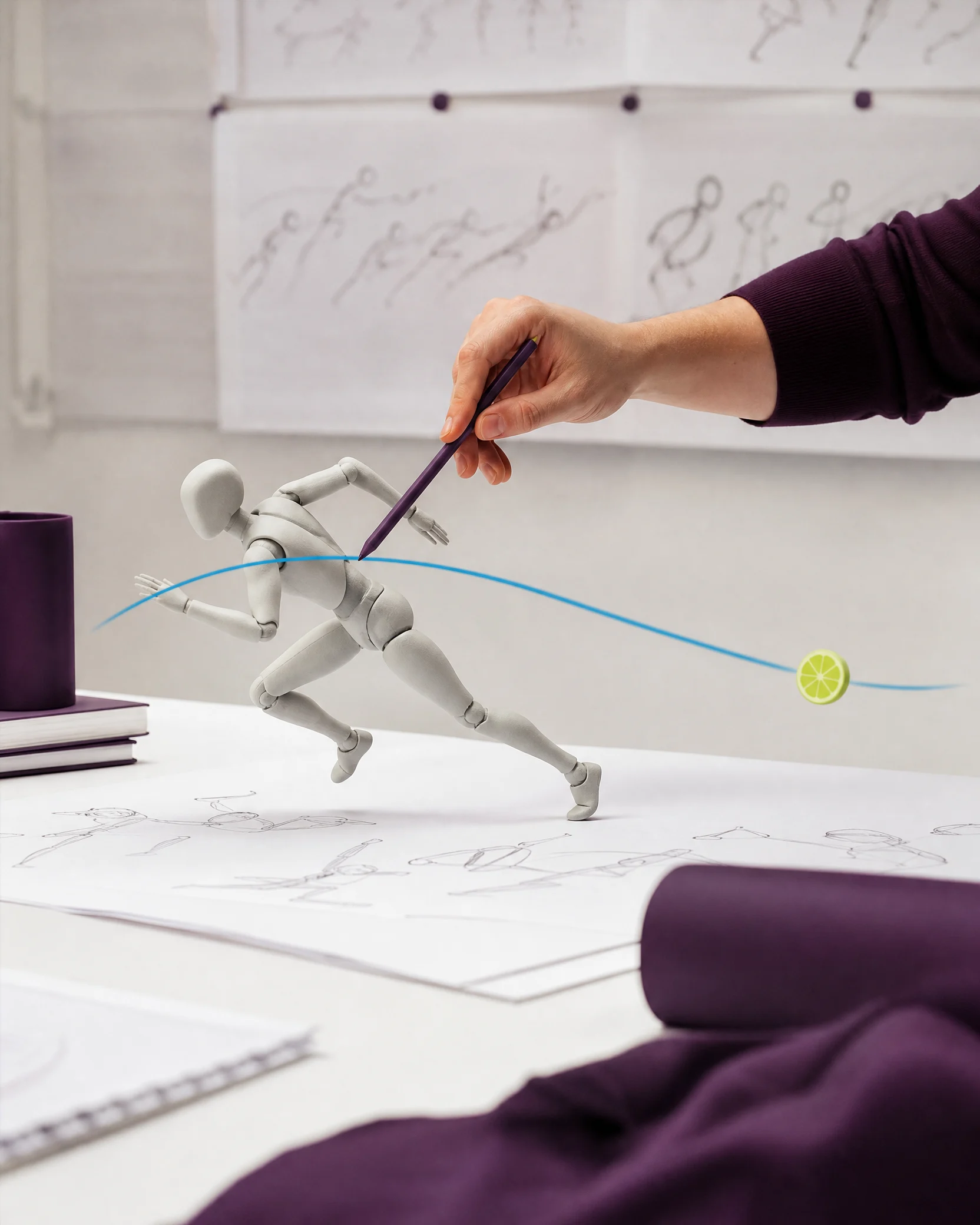 ROLE / 03
Lets the movement finish with an intentional recovery, not a shortcut back to a neutral pose.
03 / PHRASE STUDIO
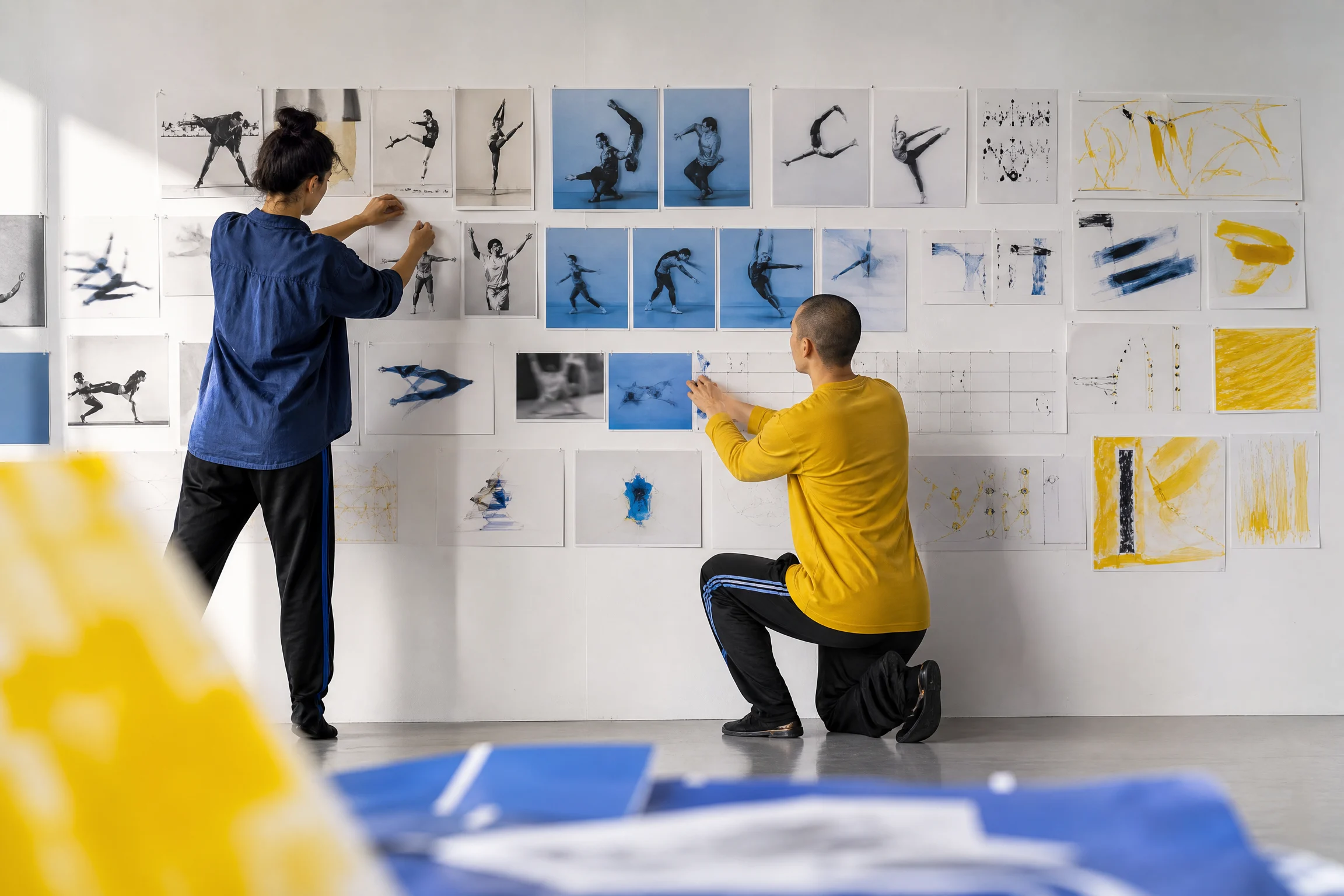
A full performance does not need to be designed as one long technical problem. Break it into a sentence with a beginning, a change and a return.
Give the character a reason to move before the action begins.
Let the central action carry a clear weight, line and timing choice.
Find the small secondary beat that lets a choice feel thought through.
Return with a shape that leaves space for the next phrase.
04 / ARC READER
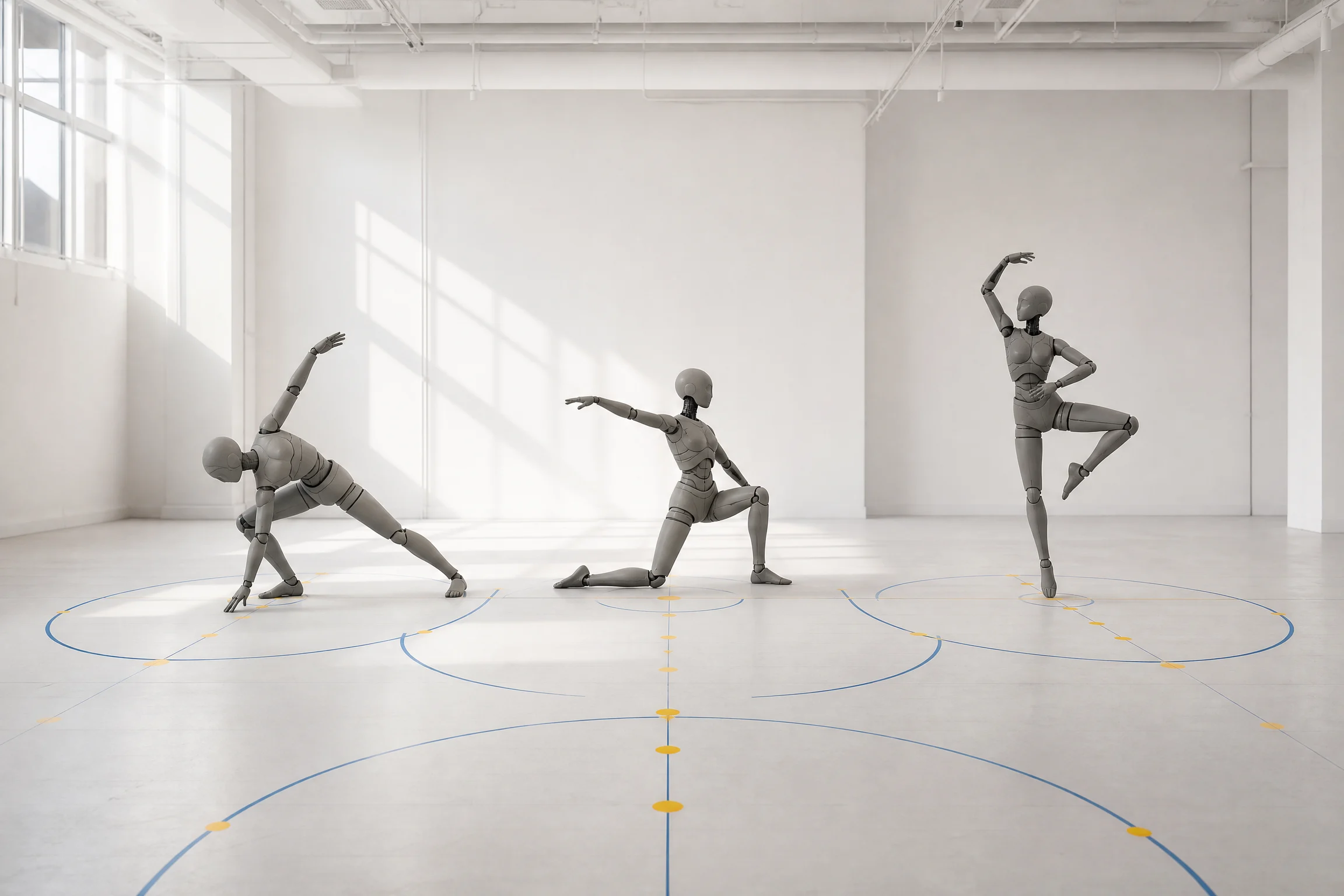
Move the marker through a simple performance arc to see the question the rigger and animator should share at each point.
Establish a point of attention and a starting balance. The controls need to support a choice before they are asked to sell an action.
05 / TIMING ORCHESTRA
PRIMARY The action that carries the current thought.
SECONDARY The response that lets the character stay alive inside the action.
RESIDUAL The small recovery that remembers what just happened.
06 / REHEARSAL ROOMS
 Close room
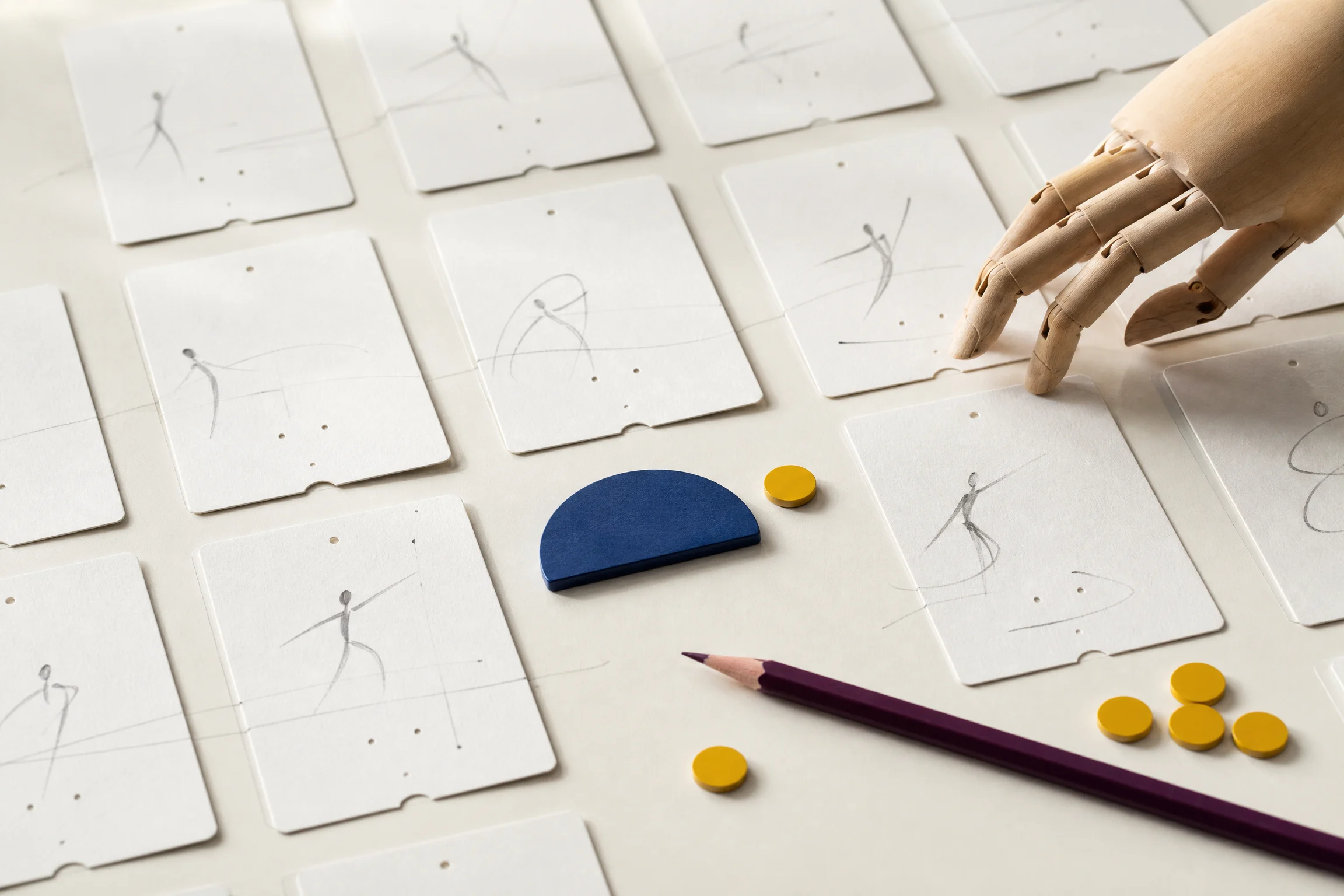
Use a quiet held expression to see whether small changes can be shaped without control noise.
 Rhythm room
Use a fast sequence to test whether a choice stays readable while the rig carries a changing tempo.
Use a touch, lift or landing to test the handoff between intention, weight and recovery.
SPACE FOR A PRODUCTION-SPECIFIC TEST07 / CUE LIBRARY
01Performance cue What thought changes here?
02Rig cue Which control must stay direct?
03Timing cue Where does the audience need a breath?
04Handoff cue What remains open for the next pass?
08 / FAQ PROGRAM NOTES

09 / BOOKING SCORE
Bring a character brief, a difficult performance beat, a timing problem or a rig handoff that needs a clearer rehearsal.
10 / CURTAIN LIGHT